
Federal capture run as infrastructure
Years across DoD & civilian
Awarded contract value
Win rate over a decade

Our approach
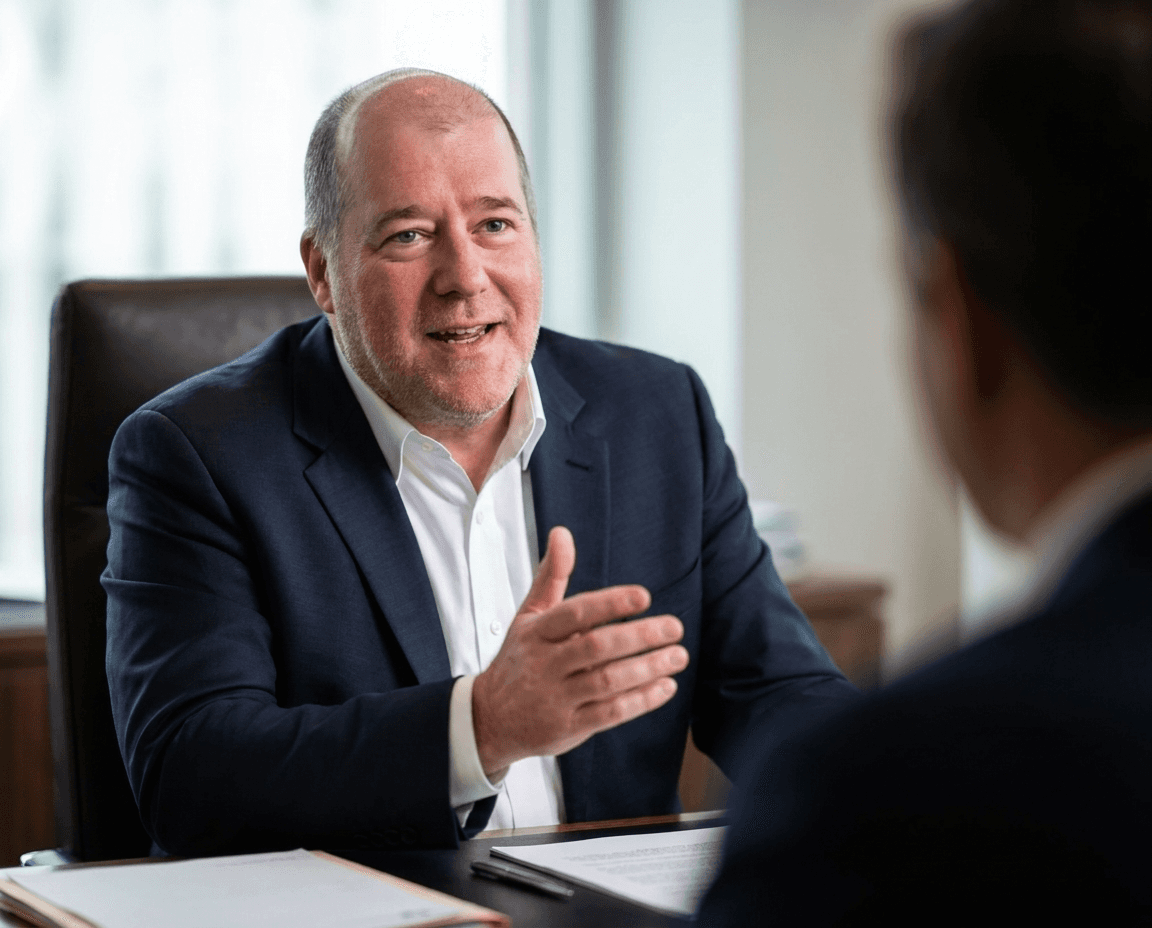
A working call, not a pitch.
We learn your situation in detail. You see how we'd structure the first 90 days for your firm specifically. If we're a fit, you'll know by the end.
Within 48 hours
You receive a complete debrief
Recording & transcript
For anyone on your team who couldn't attend the session.

The Engagement
Ninety days. Three phases. Real infrastructure.
By day 90, your federal pipeline operates on infrastructure that didn't exist at day zero. That infrastructure is yours, whether the engagement continues or not.

Foundation
Days 1–30
01
Clear read of your current pipeline
Baseline of what's been winning at your firm
Operating rhythm built for your team
Ranked list of capture-worthy opportunities
Intelligence & Outreach
Days 31–60
02
Forecasted pipeline from upstream signals
Agency contact map at priority agencies
Warm outreach with buyer-side intelligence
First go/no-go evaluations on active pursuits


Pursuits in Motion
Days 61–90
03
Active capture on priority pursuits
Partnership agreements drafted
Pre-solicitation positioning underway
Competitive intelligence on rival bidders

Pricing
Transparent terms. No multi-year lock-in.
Pricing varies by engagement — the agencies you sell to, how many pursuits we capture in parallel, your set-aside status, and what you already have in place.



Your team's time
One hour. Weekly or biweekly.
Most clients send their senior BD lead and one principal. Outside of that, your team is only on the calls where executive presence is the point — buyer conversations, partnership negotiations, capture decisions.
Research, outreach, pipeline management, proposal prep — all of it happens between sessions. What reaches you is the output.

1 hr
Weekly working session

Monthly
Executive briefing

What we ask of you
Five commitments. None of them heavy.
The engagement adapts to either model — fully outsourced capture, or embedded alongside your in-house BD team.

Common Questions
Answers Before You Start the Conversation


What types of companies does Farsight work with?
Federal contractors with existing revenue looking to grow systematically, commercial firms entering the federal market for the first time, and small businesses approaching the point where set-aside advantages disappear. Revenue range typically $5M to $500M.